 MediQ
Everyday steps that can lower your risk of depression
Depression is common, but prevention programmes and daily habits like exercise and staying connected can reduce the risk. Learn what works to protect your mental health.
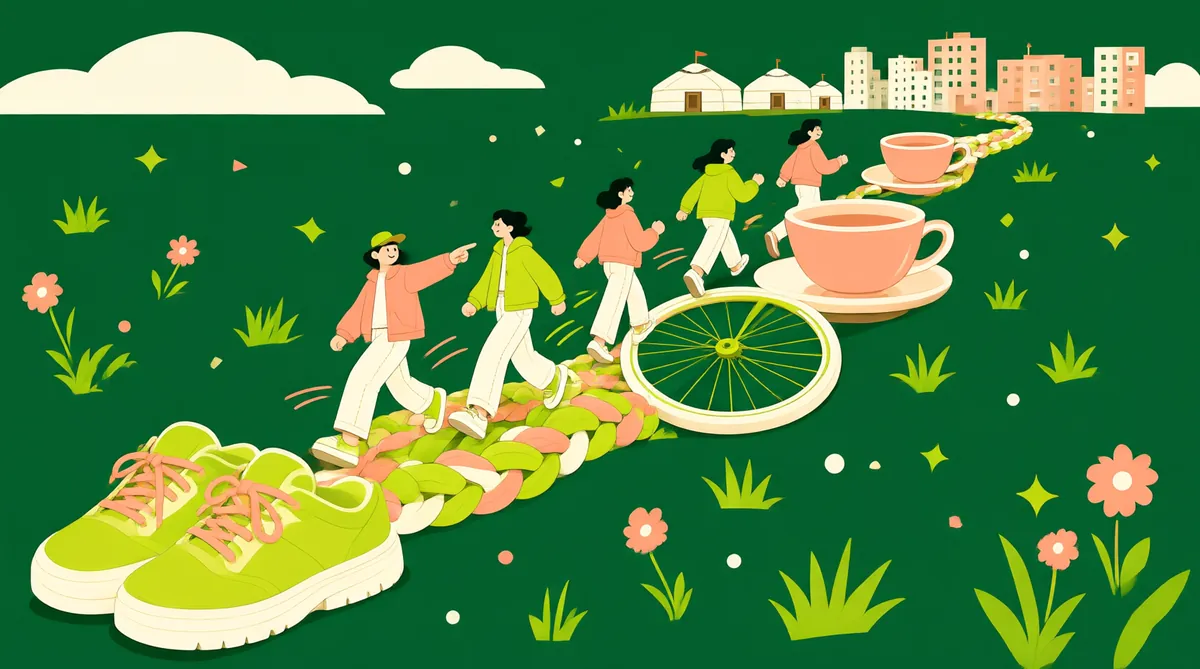
In short
- Prevention programmes, including exercise and parenting support, have been shown to reduce depression.
- Physical inactivity and harmful alcohol use are risk factors for both depression and physical diseases.
- Regular sleep, healthy eating, exercise and staying connected are key self-care steps.
You might notice a friend pulling away from gatherings or feeling unusually tired for weeks. Depression is different from regular mood changes because it involves a depressed mood or loss of interest in activities for long periods. The good news is that everyday actions and community efforts can help prevent it.
What actually helps prevent depression?
Prevention programmes have been shown to reduce depression. You do not need to wait for symptoms to start protecting your mental health. Effective approaches include:
- school-based programmes that teach children and adolescents positive ways to cope with stress
- support for parents of children with behavioural problems, which may reduce parental depressive symptoms
- exercise programmes for older adults, which can also be effective in preventing depression
How does my body affect my mood?
Depression is closely related to physical health. Many factors that influence depression are also known risk factors for diseases such as cardiovascular disease, cancer, diabetes and respiratory diseases. These factors include physical inactivity and the harmful use of alcohol. Taking care of your body is a direct way to support your mind.
What can I do in my daily routine?
Self-care plays an important role in promoting overall well-being. Here are several practical steps you can take right now:
- exercise regularly, even if it is just a short walk
- stay connected to friends and family
- stick to regular eating and sleeping habits as much as possible
- avoid or cut down on alcohol and do not use illicit drugs, which can make depression worse
- try to keep doing activities you used to enjoy
- talk to someone you trust about your feelings
Remember that many people have gone through what you are experiencing and found help.
If you feel sad, empty, or lose interest in things most of the day, nearly every day, for at least two weeks, talk to a doctor or counsellor. If you think you are in immediate danger of harming yourself, call 103 immediately. For free psychological support any time of day or night, you can call 1800-2000.
Small daily habits build a strong foundation for your mental health.
What you can do now
- Take a short walk or do some physical activity regularly to support both your body and mind.
- Reach out to friends or family members often to maintain your social connections.
- Keep a consistent schedule for your meals and sleep as much as possible.
- Talk to a doctor or counsellor if you experience a depressed mood or loss of interest for at least two weeks.
Questions you may have
How is depression different from just feeling sad?
A depressive episode lasts most of the day, nearly every day, for at least two weeks. It involves a depressed mood or loss of pleasure and interest, unlike regular mood fluctuations.
Can exercise really help prevent depression?
Yes. Exercise programmes for older adults can be effective in preventing depression. Regular physical activity is also listed as an important self-care step for overall well-being.
Who is more likely to develop depression?
Depression can happen to anyone, but people who have lived through abuse, severe losses or stressful events like unemployment are more likely to develop it. Women are about 1.5 times more likely to have depression than men.
Have a question?
Ask the AI health assistant (in Mongolian).
Read next
How to protect yourself and your family from drug-resistant infections
Drug-resistant germs are making common infections harder to treat. You can lower your risk by using medicines correctly, staying clean and keeping vaccines up to date.
How to lower your risk of tuberculosis in everyday life
Tuberculosis spreads through the air, but simple daily habits can protect you and your family. Learn who should get screened and what steps reduce the risk.
How to protect yourself and your family from tobacco harm every day
Tobacco damages nearly every organ in the body, but you can take clear steps to lower your risk. Learn how to avoid second-hand smoke, quit safely and steer clear of newer nicotine products.