 MediQ
How to protect yourself and your family from tobacco harm every day
Tobacco damages nearly every organ in the body, but you can take clear steps to lower your risk. Learn how to avoid second-hand smoke, quit safely and steer clear of newer nicotine products.
In short
- There is no safe level of exposure to tobacco or second-hand smoke.
- Newer products like e-cigarettes and heated tobacco are harmful and do not help smokers quit.
- Counselling and medication can more than double your chance of quitting successfully.
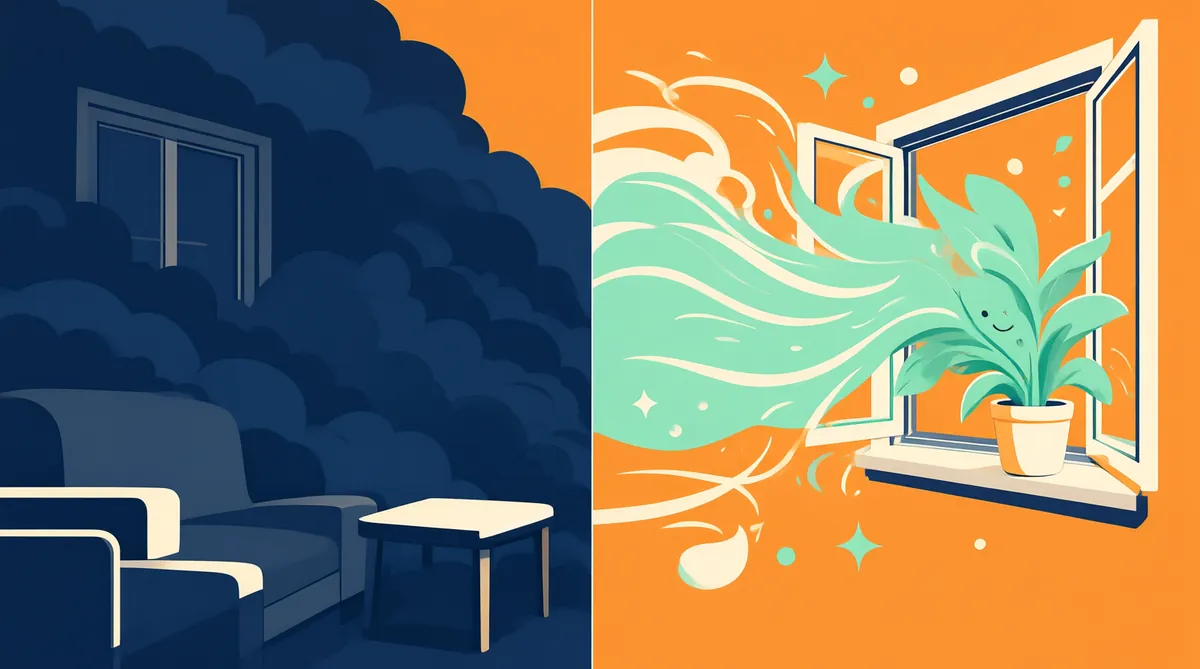
You might think stepping outside or opening a window is enough to keep tobacco smoke away from your family. But there is no safe level of exposure to second-hand smoke, which kills more than 1.6 million people prematurely every year.
Tobacco use is one of the biggest preventable threats to health worldwide. It damages nearly every organ, causing cancer, heart disease, stroke and lung disease. The good news is that you can take practical steps to protect yourself and the people around you.
Is any form of tobacco actually safe?
No. All forms of tobacco use are harmful, including cigarettes, waterpipes, cigars and roll-your-own tobacco. Newer products are not safe alternatives either.
Heated tobacco products emit toxic chemicals similar to cigarette smoke, many of which can cause cancer. Electronic cigarettes heat a liquid into an aerosol that is harmful to health. Nicotine pouches, often promoted as "tobacco-free", have high addiction potential and strong youth appeal.
Why does nicotine matter so much for young people?
Nicotine is highly addictive. It is particularly harmful for children, adolescents and young adults whose brains are still developing. Exposure during adolescence can affect brain development, including impacts on attention and learning. Early use also increases the likelihood of long-term dependence.
What can you do to lower the risk right now?
Preventing harm starts with daily choices at home and in your community.
- Keep your home completely smoke-free. Do not allow smoking indoors, because second-hand smoke causes serious cardiovascular and respiratory diseases, including coronary heart disease and lung cancer.
- Talk openly with children and teenagers about how nicotine affects their developing brains and learning.
- If you use tobacco and want to stop, know that over 60% of smokers intend to quit. Counselling and medication can more than double a tobacco user’s chance of successful quitting.
- Support rules that raise taxes on tobacco, which the World Health Organization (WHO) calls the most cost-effective way to reduce use, especially among youth and low-income groups.
If you decide to quit, talk to a doctor or pharmacist about safe ways to get help rather than trying unproven products.
The bottom line: avoiding all tobacco and nicotine products is the single best choice you can make for your long-term health.
What you can do now
- Make your home and car completely smoke-free zones to protect your family from second-hand smoke.
- Talk to your children about how nicotine harms their developing brains, attention and learning.
- Speak with a doctor or pharmacist if you want to quit using tobacco, as professional support can more than double your chances of success.
- Avoid starting newer nicotine products like e-cigarettes, heated tobacco or nicotine pouches, as they are harmful and addictive.
Questions you may have
Do e-cigarettes help people quit smoking?
Electronic cigarettes are harmful to health and are not safe. Heated tobacco products also do not help smokers end tobacco use and should be regulated as tobacco products.
Is smoking outside the house enough to protect my family?
There is no safe level of exposure to second-hand smoke. To fully protect your family, it is best to keep your living spaces completely smoke-free.
Why are tobacco taxes important for prevention?
Raising taxes on tobacco is the most cost-effective way to reduce use. Higher prices are proven to lower tobacco consumption, especially among youth and low-income groups.
Have a question?
Ask the AI health assistant (in Mongolian).
Read next
How to protect yourself and your family from drug-resistant infections
Drug-resistant germs are making common infections harder to treat. You can lower your risk by using medicines correctly, staying clean and keeping vaccines up to date.
Is there a safe amount of alcohol? How to lower your risk
No amount of alcohol is completely risk-free. Learn how the amount, frequency and context of drinking affect your health, and what you can do to protect yourself and others.
How to eat less sodium every day and protect your heart
Most people eat more than double the recommended amount of sodium. Small changes in how you cook and shop can lower your blood pressure and reduce disease risk.