 MediQ
How to lower your risk of catching the flu this season
Simple daily habits and an annual vaccine can protect you from seasonal influenza. Learn what the World Health Organization (WHO) recommends to keep yourself and your family safe.
In short
- Annual vaccination is the most effective way to prevent seasonal influenza and its complications.
- Washing hands, covering coughs and staying home when sick reduce the spread of the virus.
- People at high risk or with worsening symptoms should seek medical care promptly.
You probably know someone who spent a week in bed with sudden fever, body aches and a dry cough. That is seasonal influenza, a common respiratory infection that spreads easily when people cough or sneeze. While most healthy adults recover within a week, the virus causes 3-5 million cases of severe illness globally each year, according to WHO.
The good news is that everyday actions can lower your chances of getting sick or passing the virus to others.
What is the single best protection?
Vaccination is the best way to prevent influenza, according to WHO. Safe and effective vaccines have been used for more than 60 years. Because the protection fades over time and the viruses change, WHO recommends getting vaccinated every year.
The vaccine may be less effective in older people. However, it still makes the illness less severe and reduces the chance of complications and death.
Vaccination is especially important if you are:
- pregnant
- aged 65 years or older
- a child aged 6 months to 5 years
- living with chronic medical conditions
- a health worker or caring for someone at high risk
Which daily habits actually help?
The virus travels in droplets when an infected person coughs or sneezes. It can also spread through hands contaminated with influenza viruses. You can block these routes with simple steps:
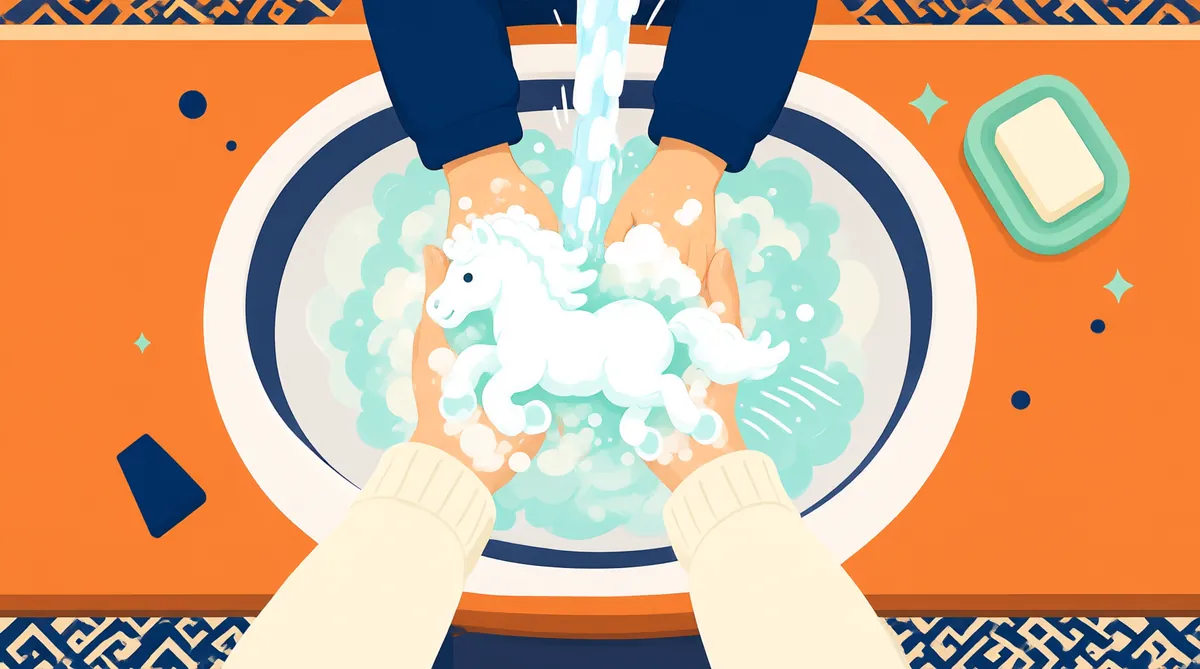
- wash and dry your hands regularly
- cover your mouth and nose with a tissue when coughing or sneezing
- dispose of tissues correctly after use
- avoid touching your eyes, nose or mouth
- avoid close contact with sick people
If you feel unwell, stay home so you do not infect others.
When should you get medical help?
Most people recover on their own by resting and drinking plenty of fluids. But influenza can worsen symptoms of other chronic diseases, and in severe cases it can lead to pneumonia and sepsis.
People at high risk or those with severe symptoms should seek medical care as soon as possible. They may need antiviral medications. If your symptoms get worse instead of improving, talk to a doctor or pharmacist about the right next step. Call 103 immediately if you experience difficulty breathing or other severe warning signs.
The bottom line: combine an annual vaccine with clean hands and covered coughs to protect yourself and your community.
What you can do now
- Get your annual influenza vaccine, especially if you are pregnant, over 65, a young child or have a chronic illness.
- Wash and dry your hands regularly throughout the day, particularly before eating or touching your face.
- Cover your mouth and nose with a tissue when you cough or sneeze, and throw the tissue away immediately.
- Stay home and rest if you feel unwell to avoid spreading the virus to others.
Questions you may have
Why do I need a flu vaccine every year?
Immunity from vaccination goes away over time. Also, the viruses change, so vaccines are updated routinely to match the ones currently circulating, according to WHO.
Can I catch the flu from touching surfaces?
Yes. WHO notes that the virus can spread by hands contaminated with influenza viruses. This is why washing and drying your hands regularly is an important prevention step.
Who is most likely to get seriously ill?
Pregnant women, children under 5 years of age, people over 65, individuals with chronic medical conditions and those with suppressed immune systems face a greater risk of severe disease or complications.
Have a question?
Ask the AI health assistant (in Mongolian).
Read next
How to protect yourself and your family from drug-resistant infections
Drug-resistant germs are making common infections harder to treat. You can lower your risk by using medicines correctly, staying clean and keeping vaccines up to date.

How to protect yourself and your family from tobacco harm every day
Tobacco damages nearly every organ in the body, but you can take clear steps to lower your risk. Learn how to avoid second-hand smoke, quit safely and steer clear of newer nicotine products.

Is there a safe amount of alcohol? How to lower your risk
No amount of alcohol is completely risk-free. Learn how the amount, frequency and context of drinking affect your health, and what you can do to protect yourself and others.