 MediQ
How to lower your risk of falling at home, at work and as you age
Falls are a leading cause of injury worldwide, but simple steps like balance exercises and fixing home hazards can significantly reduce the risk. Learn what the World Health Organization recommends for children, workers and older adults.
In short
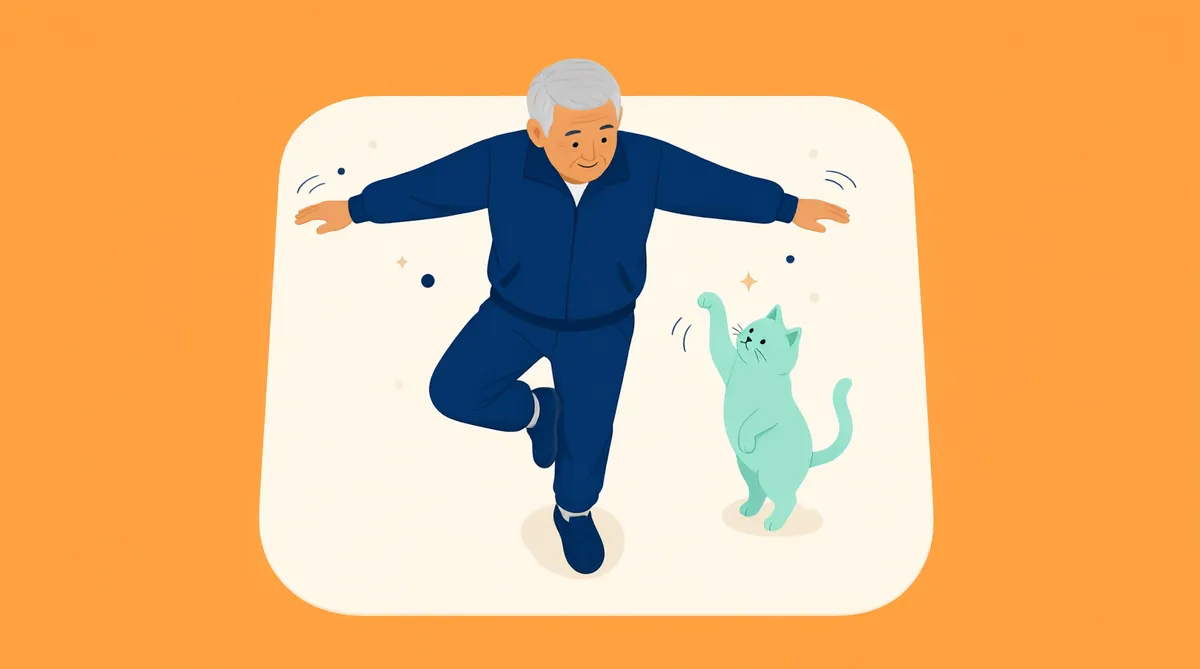
- Balance-challenging exercise reduces fall rates by about 23% in older adults living in the community.
- Home hazard modifications cut falls by 38% for older people who are already at higher risk.
- Protecting windows, stairs and playgrounds prevents many childhood falls without limiting play.
A fall happens when you come to rest on the ground or a lower level by accident. Most falls do not cause death, but they can lead to fractures, head injuries and a lasting loss of confidence.
In 2023, the World Health Organization (WHO) estimated there were about 842 000 deaths from falls worldwide. This number represents deaths, not all falls or injuries. About 71% of those deaths occurred among adults aged 60 years and older. The good news is that prevention works when you match the right action to the right person.
What helps older adults stay steady?
For older people living in the community, exercise that challenges balance is one of the strongest tools. A Cochrane review found exercise reduced the overall rate of falls by about 23% in trial populations. Tai Chi is another useful option.
Fixing hazards inside the home also matters, especially if someone has already fallen or is at higher risk. A 2023 Cochrane review found a 38% reduction in fall rates in these higher-risk groups after home modifications. However, this effect was not shown in unselected people.
Other practical steps include:
- reviewing medicines that increase fall risk with a health worker
- addressing poor vision, dizziness or unsafe footwear
- avoiding routine vitamin D supplements as a general fall-prevention strategy unless a doctor finds a clinical need
How do we protect children and workers?
Children often fall while climbing, playing or exploring. Hazards include unprotected windows, stairs, balconies and unsafe playgrounds. Structural safety measures, such as window guards and protective playground surfaces, can protect children while still allowing them to play safely.
Workers face serious risks from heights and slippery surfaces in construction, agriculture, transport and maintenance. Effective prevention requires safe platforms, guardrails, scaffolding and proper training. Where possible, work at height should be eliminated or minimized.
Why information alone is not enough
Education raises awareness, but reading about falls will not prevent them. WHO’s Step Safely package calls for combining safer people, safer environments and safer policies. These risks often interact with poverty, housing conditions and the physical environment around you.
If you or someone you care for has started falling repeatedly, ask a doctor for an individualized assessment rather than trying to manage it alone.
The bottom line: matching the right exercise, home fix or safety rule to your age and situation is the most reliable way to prevent a fall.
What you can do now
- Practice balance-challenging exercises or Tai Chi regularly if you are an older adult living at home.
- Check your home for hazards like poor lighting, loose rugs or unsafe stairs, especially if you have fallen before.
- Install window guards and use protective surfacing in areas where young children climb and play.
- Ask your doctor or pharmacist to review your medicines if you feel dizzy or have fallen recently.
Questions you may have
Should older adults take vitamin D to prevent falls?
According to WHO, routine vitamin D supplementation should not be presented as a general fall-prevention strategy for all older adults. Evaluation and management of deficiency may be appropriate for individuals in whom it is clinically indicated, and high-dose supplementation may have adverse effects.
Are falls only a problem for older people?
No. While about 71% of fall deaths occur in people aged 60 years or older, children face hazards during play and exploration, and workers face risks from heights and slips in jobs like construction and agriculture.
Does just learning about falls prevent them?
No. WHO notes that education and raising awareness are useful, but information alone should not be equated with interventions shown to reduce falls. Effective actions include targeted exercise, environmental changes and medication reviews.
Have a question?
Ask the AI health assistant (in Mongolian).
Read next

How to protect yourself and your family from drug-resistant infections
Drug-resistant germs are making common infections harder to treat. You can lower your risk by using medicines correctly, staying clean and keeping vaccines up to date.
How to protect yourself and your family from tobacco harm every day
Tobacco damages nearly every organ in the body, but you can take clear steps to lower your risk. Learn how to avoid second-hand smoke, quit safely and steer clear of newer nicotine products.
Is there a safe amount of alcohol? How to lower your risk
No amount of alcohol is completely risk-free. Learn how the amount, frequency and context of drinking affect your health, and what you can do to protect yourself and others.