 MediQ
How to prevent burns at home: simple steps that protect your family
Many burns happen in homes and workplaces, but you can lower the risk with a few practical changes. Learn what the World Health Organization (WHO) recommends for safer cooking, heating and everyday habits.
In short
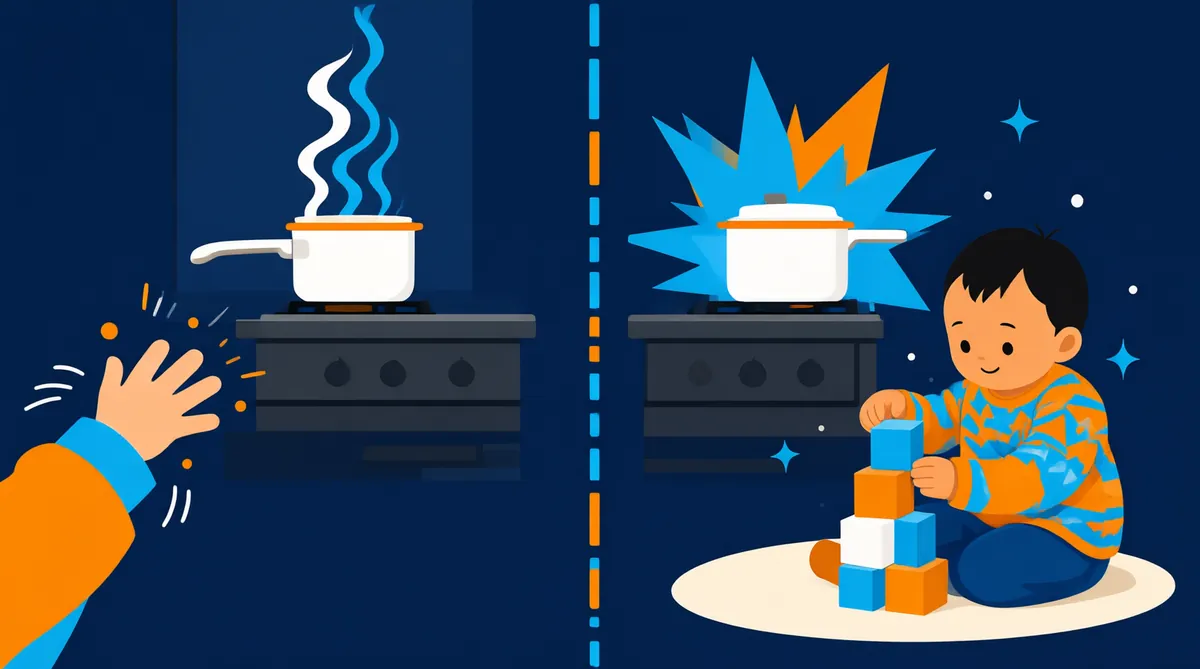
- Many burns happen at home from hot liquids, open fires, stoves and hot tap water.
- Children under 15 and older adults face higher risks and need extra protection.
- Working smoke alarms, stable stoves and cooler tap water help prevent injuries.
You pour hot tea, light the stove or turn on the tap every day without thinking twice. Yet many burns happen right inside our homes, and children are especially at risk from hot liquids.
A burn is an injury to the skin or other tissue caused by heat, electricity, chemicals, friction or radiation. The WHO notes that burns are preventable through safer products and environments, effective policy, and timely first aid and care. Here is how you can lower the risk where you live.
Where do most burns happen?
The home and the workplace are the main places where people get burned. In homes, common hazards include:
- hot drinks and cooking liquids
- unguarded stoves and open fires
- unsafe heating equipment
- excessively hot tap water
In communities where households cook or heat with open fires, unstable stoves or hazardous fuels, women and children may face substantial exposure, according to the WHO.
Who needs extra protection?
Children can be exposed to hot liquids, cooking equipment and flames. Older people may face risks linked to impaired mobility, sensation or cognition. Globally, about 35 600 deaths from fire, heat and hot substances occurred among children younger than 15 years in 2023, which was 22% of the total, according to WHO estimates.
Poverty, overcrowded housing and unsafe gas or electrical installations also increase the risk.
What can you change today?
The WHO recommends combining safer environments with tested safety measures. You can start with these steps:
- Install working smoke alarms in your home if you can get them.
- Check that your tap water is not set to an excessively hot temperature.
- Keep young children away from open fires, stoves and hot drinks.
- Use stable stoves and avoid hazardous fuels when possible.
- Make sure electrical wiring and gas connections are safe.
A 2024 systematic review found that childhood burn-prevention programmes reduced burn rates in some studies, especially those combining active and passive measures, though the evidence was judged limited.
If a burn does happen, cool it promptly with cool running water for approximately 20 minutes, keep the rest of the person warm and seek urgent medical care for deep, large, electrical or chemical burns, burns of the face, hands, feet or genitals, or possible inhalation injury. Call 103 for emergencies.
What you can do now
- Check your stove and heating equipment to make sure they are stable and placed away from flammable materials.
- Test your tap water temperature so it is not excessively hot, especially before bathing children.
- Keep hot drinks, cooking pots and open flames out of reach of young children at all times.
- Seek urgent medical care if a burn is deep, large, on the face, hands, feet or genitals, or caused by electricity or chemicals. Call 103 for emergencies.
Questions you may have
What should I do immediately if someone gets burned?
Ensure your own safety and stop the heat exposure. Cool the burn promptly with cool running water for approximately 20 minutes, keep the rest of the person warm, and remove rings, watches or other tight items early. Do not apply ice, oils, butter or toothpaste.
Are open cooking fires more dangerous for certain people?
Yes. According to the WHO, in communities using open fires, unstable stoves or hazardous fuels, women and children may experience substantial domestic exposure to burns.
When should I take a burned person to a doctor?
Seek urgent medical care for deep, large, electrical or chemical burns, burns on the face, hands, feet or genitals, or if the person may have inhaled smoke or hot gases. Call 103 for emergencies.
Have a question?
Ask the AI health assistant (in Mongolian).
Read next
How to protect yourself and your family from drug-resistant infections
Drug-resistant germs are making common infections harder to treat. You can lower your risk by using medicines correctly, staying clean and keeping vaccines up to date.
How to protect yourself and your family from tobacco harm every day
Tobacco damages nearly every organ in the body, but you can take clear steps to lower your risk. Learn how to avoid second-hand smoke, quit safely and steer clear of newer nicotine products.
Is there a safe amount of alcohol? How to lower your risk
No amount of alcohol is completely risk-free. Learn how the amount, frequency and context of drinking affect your health, and what you can do to protect yourself and others.