 MediQ
How to protect yourself and your family from hepatitis B
Hepatitis B is a liver infection you can prevent. Learn how vaccines, safe habits and simple hygiene lower your risk every day.
In short
- The hepatitis B vaccine offers nearly 100% protection and works best when given within 24 hours of birth.
- Avoid sharing needles, razors or tattoo equipment, and always use condoms during sex.
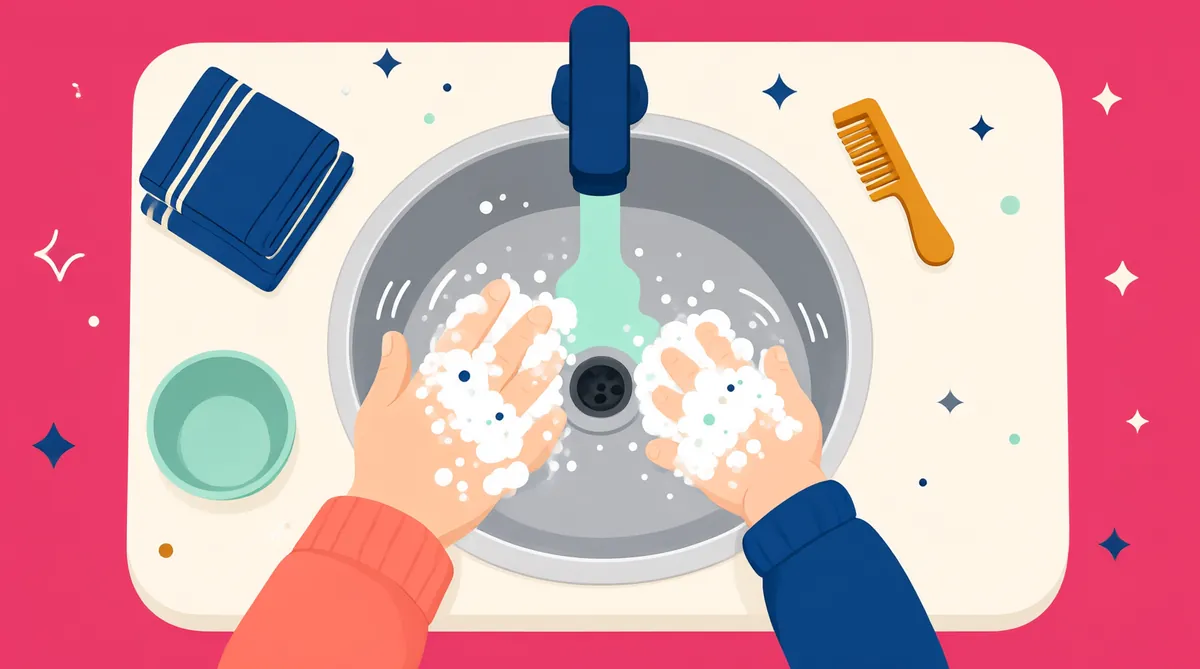
- Wash your hands with soap and water after any contact with blood or body fluids.
You cannot see or feel the hepatitis B virus, but it spreads easily through blood and body fluids. It attacks the liver and can cause serious long-term illness. The good news is that you have clear ways to protect yourself and your children.
Is there a vaccine for hepatitis B?
Yes. Hepatitis B can be prevented with a safe and effective vaccine that offers nearly 100% protection against the virus.
All babies should receive the first dose as soon as possible after birth, within 24 hours. This is followed by two or three more doses at least four weeks apart. The vaccine protects against hepatitis B for at least 20 years and probably for life. Booster vaccines are not usually required for people who finished the series.
If you work in a health-care setting, getting vaccinated is recommended.
How does the virus spread in daily life?
The virus spreads through contact with infected body fluids like blood, vaginal fluids, semen and saliva when open cuts or sores are present. A mother can also pass it to her baby during birth.
In everyday life, you might face risks through:
- sharing needles or equipment used for injecting drugs, piercing or tattooing
- unprotected sex with an infected partner
- touching contaminated surfaces or blood without washing your hands
Infection in infancy leads to chronic disease in about 95% of cases, while adult infections become chronic in less than 5% of cases. This is why early vaccination matters so much.
What practical steps lower my risk?
Several simple actions reduce the chance of getting or spreading hepatitis B:
- practice safe sex by using condoms
- avoid sharing needles or any equipment used for injecting drugs, piercing or tattooing
- wash your hands thoroughly with soap and water after contact with blood, body fluids or contaminated surfaces
If you are pregnant, ask your doctor about testing. Mother-to-child transmission can be prevented with antiviral medicines alongside the baby's vaccine shortly after birth.
Many people do not experience symptoms when newly infected. If you notice yellowing of the skin and eyes, dark urine, severe tiredness, nausea, vomiting or abdominal pain, call 103 immediately.
Protecting your liver starts with these small, steady choices every day.
What you can do now
- Check your child's vaccination record to confirm they received the hepatitis B vaccine within 24 hours of birth and completed the series.
- Use condoms during sex to reduce the risk of passing or catching the virus.
- Never share needles, syringes or equipment used for tattooing or body piercing.
- Wash your hands thoroughly with soap and water after touching blood, body fluids or potentially dirty surfaces.
Questions you may have
Do I need a booster shot if I was fully vaccinated as a child?
Booster vaccines are not usually required for people who completed the full vaccination series. The vaccine protects for at least 20 years and probably for life.
Can hepatitis B spread through casual contact like hugging?
The virus spreads through contact with infected body fluids like blood, vaginal fluids, semen and saliva in the presence of open cuts and sores. Casual contact like hugging is not listed as a route of transmission.
What should I do if I am pregnant and worried about hepatitis B?
Testing is recommended for all pregnant women. If you are infected, mother-to-child transmission can be prevented by taking antiviral medicines and giving the baby a vaccine shortly after birth. Talk to your doctor about testing.
Have a question?
Ask the AI health assistant (in Mongolian).
Read next
How to lower your risk of tuberculosis in everyday life
Tuberculosis spreads through the air, but simple daily habits can protect you and your family. Learn who should get screened and what steps reduce the risk.

How to lower your child's risk of pneumonia in everyday life
Pneumonia is the leading infectious cause of death in young children worldwide. Simple steps like vaccines, breastfeeding and cleaner indoor air can protect them.

Everyday steps that can lower your risk of depression
Depression is common, but prevention programmes and daily habits like exercise and staying connected can reduce the risk. Learn what works to protect your mental health.