 MediQ
Taking anti-inflammatory drugs? Here is what to know about viral infections
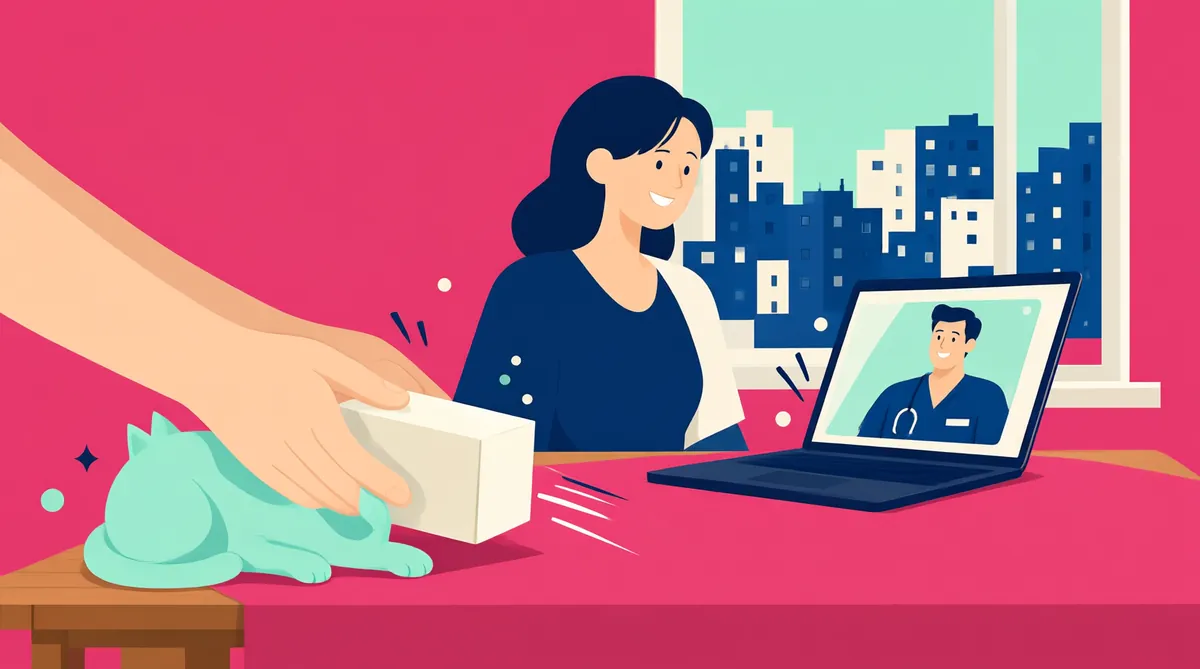
Laboratory research from Norway suggests that JAK inhibitors — medicines commonly prescribed for rheumatoid arthritis and other inflammatory conditions — may weaken a key immune defense against certain viruses. If you take these drugs, do not stop or change your dose on your own; talk to your doctor first.
In short
- JAK inhibitors, used for arthritis and inflammation, may weaken the body's natural defense against certain viruses in laboratory tests.
- Affected viruses include influenza A, SARS-CoV-2, adenovirus, and Rift Valley fever virus, according to Norwegian researchers.
- Never stop taking or change the dose of prescribed anti-inflammatory medication without first talking to your doctor.
If you take daily medication for joint pain or inflammation, you might not think much about how it affects your immune system. But scientists at the Norwegian University of Science and Technology (NTNU) have found that a widely used group of anti-inflammatory drugs may unintentionally make it easier for certain viruses to spread in the body.
The researchers studied JAK inhibitors, a class of medicines often prescribed for rheumatoid arthritis and other inflammatory conditions. Their laboratory findings, published in the journal NAR Molecular Medicine, suggest these drugs can weaken a key part of the immune system that normally fights off viral infections.
Because this was laboratory research using human cells and miniature organ models rather than a study of patients in clinics, it shows a possible biological mechanism rather than proving exactly what happens in every person taking these medicines.
Which viruses are affected?
According to the NTNU team, the viruses that may spread more easily when these drugs are used include:
- Influenza A, which causes seasonal flu
- SARS-CoV-2, the virus that causes COVID-19
- Adenovirus, a common cause of colds and eye infections
- Rift Valley fever virus
"We have found a surprising and potentially serious side effect of a class of anti-inflammatory drugs. They can help viruses spread more easily in the body," said Denis Kainov, a professor at NTNU's Department of Clinical and Molecular Medicine.
How do these drugs change your defenses?
Your body uses specific genes to signal healthy cells to defend themselves against viruses. The study found that JAK inhibitors suppress this important signaling pathway.
Erlend Ravlo, a PhD research fellow at NTNU and the study's first author, explained that while these medications effectively reduce inflammation, they also interfere with the mechanisms that protect the body from viral attacks. The scientists tested this using human cells from the lungs, eyes, and brain, as well as miniature organ models grown in the laboratory.
What should you do if you take JAK inhibitors?
The researchers suggest doctors should be cautious when prescribing these medications during periods of high viral transmission or outbreaks. However, do not stop taking your medicine or change your dose on your own. Stopping suddenly could cause your inflammatory condition to flare up.
Talk to your doctor or pharmacist if you have questions about your treatment, especially during flu season or if you feel unwell. They can weigh the benefits of controlling your inflammation against the potential risks.
The bottom line is that managing inflammation and protecting yourself from viruses both matter, so work with your healthcare provider to find the safest balance for you.
What you can do now
- Keep taking your prescribed anti-inflammatory medication exactly as your doctor directed; do not change the dose yourself.
- Ask your doctor or pharmacist about your infection risk if you take JAK inhibitors, especially during flu season.
- Wash your hands regularly and avoid close contact with people who are sick to lower your chance of catching a virus.
- Contact your doctor if you develop signs of a viral infection, such as fever or breathing problems, while taking these medications.
Questions you may have
Should I stop taking my arthritis medicine because of this?
No. Do not stop or change your medication dose on your own. Talk to your doctor or pharmacist, who can explain whether this finding applies to your specific treatment plan.
Are JAK inhibitors available everywhere?
These drugs are widely prescribed globally for inflammatory conditions like rheumatoid arthritis. This research was conducted in Norway, but the biological mechanism could apply anywhere these medicines are used.
Did this study look at real patients getting sick?
No. The scientists used laboratory methods, including human cells and miniature organ models grown in the lab, to see how the drugs affect antiviral defenses. More studies in people are needed.
Have a question?
Ask the AI health assistant (in Mongolian).
Read next

Everyday steps that can lower your risk of depression
Depression is common, but prevention programmes and daily habits like exercise and staying connected can reduce the risk. Learn what works to protect your mental health.
How to protect yourself and your family from drug-resistant infections
Drug-resistant germs are making common infections harder to treat. You can lower your risk by using medicines correctly, staying clean and keeping vaccines up to date.

How to lower your risk of tuberculosis in everyday life
Tuberculosis spreads through the air, but simple daily habits can protect you and your family. Learn who should get screened and what steps reduce the risk.