 MediQ
How to protect yourself and your family from drug-resistant infections
Drug-resistant germs are making common infections harder to treat. You can lower your risk by using medicines correctly, staying clean and keeping vaccines up to date.
News & advice
The latest health news and everyday advice in plain language. Every article is based on the World Health Organization or another trusted public-health source.
Drug-resistant germs are making common infections harder to treat. You can lower your risk by using medicines correctly, staying clean and keeping vaccines up to date.
Tuberculosis spreads through the air, but simple daily habits can protect you and your family. Learn who should get screened and what steps reduce the risk.
Tobacco damages nearly every organ in the body, but you can take clear steps to lower your risk. Learn how to avoid second-hand smoke, quit safely and steer clear of newer nicotine products.
No amount of alcohol is completely risk-free. Learn how the amount, frequency and context of drinking affect your health, and what you can do to protect yourself and others.
Most people eat more than double the recommended amount of sodium. Small changes in how you cook and shop can lower your blood pressure and reduce disease risk.
You can prevent or delay type 2 diabetes with simple daily habits. The World Health Organization (WHO) recommends specific steps for weight, movement, food and tobacco use.
Most cardiovascular diseases can be prevented by changing a few everyday habits. Learn which steps matter most for protecting your heart and blood vessels.
High blood pressure often has no symptoms, but simple daily choices can help prevent it. Learn what the World Health Organization recommends you do and avoid to protect your heart.
Hepatitis C spreads through infected blood, and there is no vaccine to prevent it. Learn the everyday steps that lower your risk of this serious liver infection.
Hepatitis B is a liver infection you can prevent. Learn how vaccines, safe habits and simple hygiene lower your risk every day.
Many burns happen in homes and workplaces, but you can lower the risk with a few practical changes. Learn what the World Health Organization (WHO) recommends for safer cooking, heating and everyday habits.
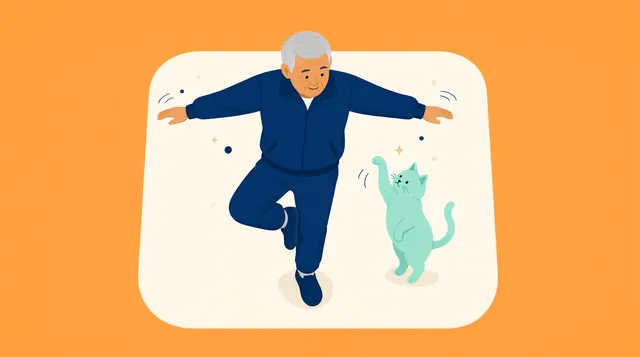
Falls are a leading cause of injury worldwide, but simple steps like balance exercises and fixing home hazards can significantly reduce the risk. Learn what the World Health Organization recommends for children, workers and older adults.
Articles are prepared from the source by AI (Qwen) and automatically checked for facts, numbers and language. Not a substitute for medical advice.